In regions where earthquakes are a common occurrence, the threat of structural damage to buildings is a constant concern. One effective solution to mitigate the impact of seismic forces on buildings is the installation of a seismic bracing system. These systems are designed to absorb and redirect the forces generated during an earthquake, helping to protect the structural integrity of the building and prevent catastrophic damage.
A seismic bracing system consists of a series of interconnected elements that work together to resist the lateral forces generated by an earthquake. These forces can cause a building to sway, twist, or collapse if not properly restrained. seismic bracing systems are typically made up of braces, dampers, and base isolators that work in tandem to stabilize the building and protect it from the effects of seismic activity.
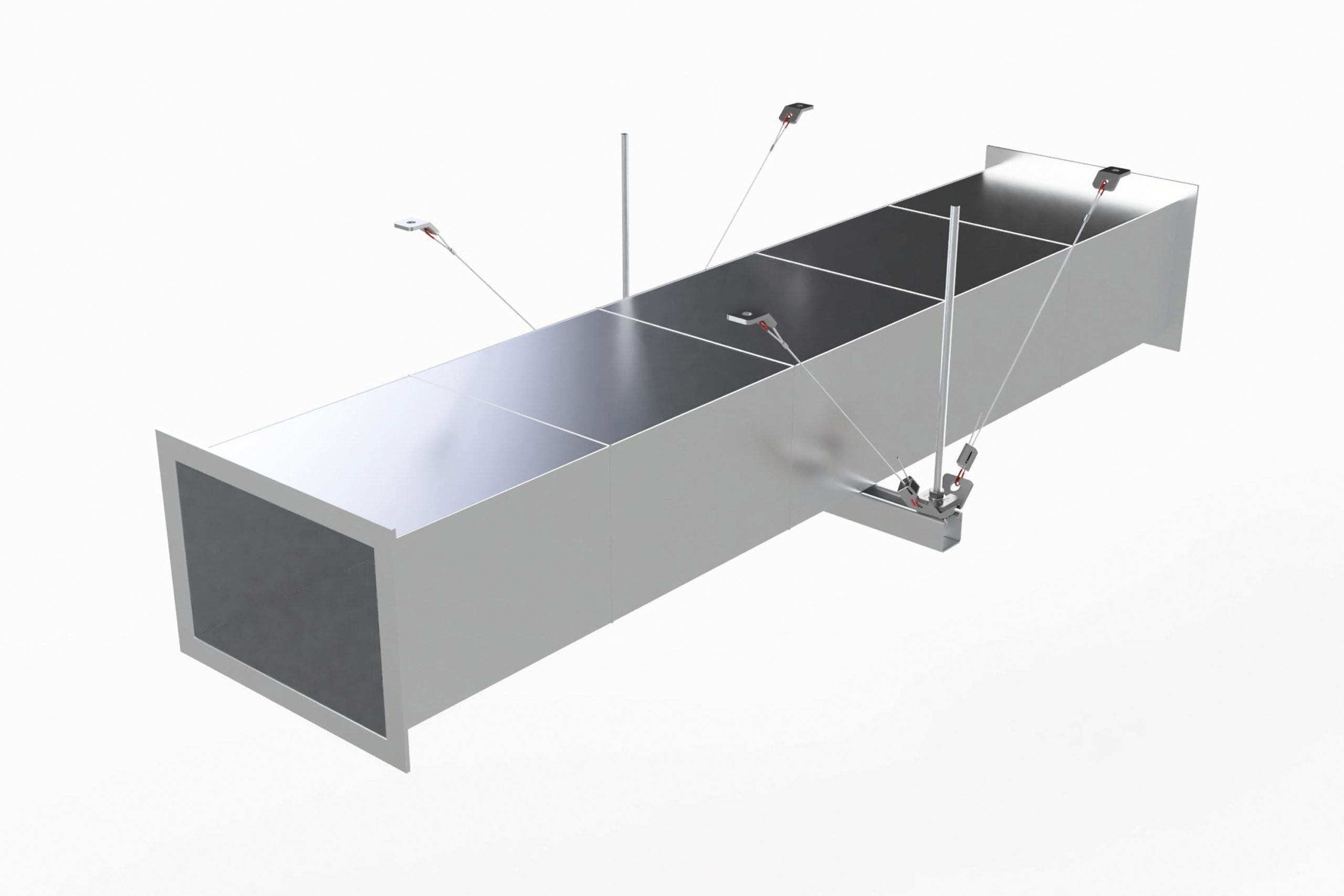
One of the key components of a seismic bracing system is the brace. Braces are structural elements that are installed within the building to provide additional support and stability during an earthquake. These braces can be made of steel, concrete, or other materials with high tensile strength to withstand the forces generated by an earthquake. Braces are strategically placed throughout the building to help distribute the forces and prevent damage to critical structural elements.
In addition to braces, seismic bracing systems may also incorporate dampers. Dampers are devices that absorb and dissipate the energy generated by an earthquake, reducing the impact on the building. There are several types of dampers used in seismic bracing systems, including viscous dampers, friction dampers, and tuned mass dampers. These dampers are strategically placed within the building to help control the movement and vibrations caused by seismic forces.
Another important component of a seismic bracing system is the base isolator. Base isolators are devices that are installed between the building’s foundation and superstructure to allow the building to move independently during an earthquake. By isolating the building from the ground motion, base isolators help to reduce the impact of seismic forces on the structure. This can help prevent damage to the building’s foundation and structural elements, reducing the risk of collapse.
The effectiveness of a seismic bracing system depends on several factors, including the design of the system, the materials used, and the location of the braces, dampers, and base isolators within the building. Proper installation and maintenance of a seismic bracing system are essential to ensure that it performs as intended during an earthquake. Regular inspections and testing can help identify any issues or defects in the system and address them before they become a problem.
seismic bracing systems have been proven to be effective in protecting structures during earthquakes. Buildings equipped with these systems are better able to withstand the lateral forces generated by seismic activity, reducing the risk of structural damage and collapse. In regions prone to earthquakes, the installation of a seismic bracing system is often mandated by building codes to ensure the safety and resilience of structures.
In conclusion, seismic bracing systems play a crucial role in protecting buildings from the damaging effects of earthquakes. By absorbing and redirecting seismic forces, these systems help to stabilize structures and prevent catastrophic damage. With the proper design, installation, and maintenance, seismic bracing systems can provide peace of mind for building owners and residents in earthquake-prone regions. Investing in a seismic bracing system is not only a prudent decision but also a critical step in ensuring the safety and longevity of buildings in seismic zones.